

The main focus of seo is content. Marketers and merchandisers may setup rules in Commerce Cloud that automatically customise the information judgements used to calculate ranking places for each page.
At a far cheaper cost than on other platforms, SEO advice could be adopted on Development, then duplicated to Staging, and finally to Production. This results in quick lead times that increase ROI.
Website maps
Sitemaps certainly are a fantastic method to let search engines know how your website is organised. A sitemap is an XML file that identifies your entire website's pages, videos, and photos along with their connections to one another. Crawlers from search engines like Googlebot utilise these details to discover and index your content.
Sitemaps' primary objective would be to aid Googlebot in comprehending the connections amongst the various web pages on your own website. This is the reason it's imperative to connect all your sites, creating a kind of "pathway" that the crawler can follow. However, assuming you have orphan pages?pages that don't exist in virtually any other links?it may be challenging for Google to find them. Sitemaps are of help in this situation. You may let the crawler know about these orphan pages so that they are located and indexed by sending a sitemap to GSC.
Salesforce commerce SEO , a brandname name for the Salesforce commerce cloud platform, includes a selection of SEO tools that may improve your online store's search engine results positioning. The ability to create original product descriptions and responsive layouts are two of the capabilities. Additionally, it includes a particular URL module that allows you to define business rules for pipeline, brand, and category URLs. SFCC SEO can offer clear, simple-to-remember URLs that se's can understand, plus they may also supply each page with rule-based meta tags.
Canonical tagging 2.
Marketers that are not technically savvy appear to be quite confused by canonical tagging. These tags inform se's concerning the source page that should get all link equity in terms of SEO. Canonical tags must be used to prevent duplicated content and guarantee that all traffic is sent to probably the most relevant page.
A rel=canonical link element or an HTTP header are two distinct solutions to utilise the canonical tag. The latter is preferable since it is more dependable. The former requires that you supply both a canonical URL and a page to reference, making it more error-prone.
Pages that should be canonicalized include duplicate category or collection pages, paginated index pages, and product variants like sizes and colours. If they aren't correctly canonicalized, se's may get confused and provide diluted results.
There are lots of extra procedures that require be performed to ensure correct canonicalization if you work with Salesforce Commerce Cloud (SFCC), previously referred to as Demandware. The SEO capabilities supplied by SFCC include pre-written page names and descriptions that include keywords and encourage user interaction. While they are a wonderful place to begin, it really is advised that you utilize a Demandware SEO expert to optimise your website to get the best outcomes.
3. On-page improvement
SEO is really a general phrase which includes a number of strategies to increase internet search engine presence. Off-page and on-page optimisation are both part of it. While link-building activities might be a section of off-page methods, on-page optimisation concentrates on adjustments to website content and HTML that raise the visibility of pages in search engine results pages (SERPs). This entails optimising internal links, meta descriptions, and title tags. Additionally, it needs employing the appropriate HTML code and producing unique meta data for each page.
An e-commerce platform called Salesforce Commerce Cloud, or SFCC, enables companies to generate online storefronts that are optimised for se's. This platform's integrated analytics package assists retailers in boosting organic traffic, revenue, and gross merchandise value (GMV).
Businesses may enhance their online shop for se's by using a selection of on-page SEO solutions supplied by SFCC. These capabilities include support for canonical URLs, editable XML sitemap files, and editable page names and descriptions. The SFCC platform also offers security safeguards that safeguard private client data.
For the success of an internet company, efficient on-page optimisation is essential. It makes sure that clients who are looking for the products or services you provide could find your website. Salesforce commerce SEO will also enable you to reach a larger audience of prospective clients and may even help your ranking on search engine pages. Additionally, on-page optimisation might assist you in getting greater search engine click-through rates.
4. Content planning
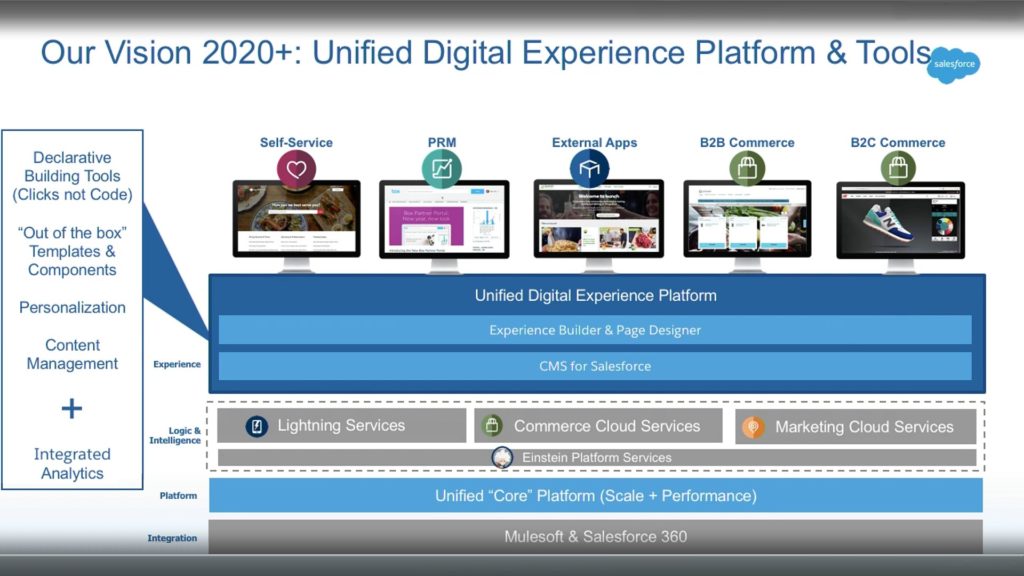
A content strategy is really a comprehensive procedure which includes governance, message standards, and other elements. It targets content planning and management to fulfil user demands and corporate objectives. An intensive content strategy also plays a part in enhancing website visitors' overall experience.
Whether you utilize Salesforce Commerce Cloud or another e-commerce platform, a solid content strategy is crucial for raising conversion rates and driving organic internet search engine traffic. As a way to increase the visibility of your ecommerce site browsing engines, this tutorial offers various ideas for enhancing on-page SEO, optimising URLs, and using canonical tagging.
Alongside these tactics, it's critical to check your e-commerce website is effectively setup. For any pages that are no more in use, you may do this by establishing 301 redirects. This can assist in preventing duplicate material and maintain the consistency of one's e-commerce site's structure.
Another suggestion is to design a distinctive 404 page. This might lessen 404 errors in Google Search Console and assist guarantee that visitors are delivered to the right page. Establishing page names and meta descriptions which are relevant to your market is also crucial. As a result, your e-commerce website will rank better and get more organic visitors. Optimise your product photos, and that is all.