

The optimisation of content is the primary focus of search engine optimization. Marketers and merchandisers are given the ability to use Commerce Cloud to set up rules for each page that may automatically customise the metadata judgements used to decide ranking places.
You'll be able to execute SEO suggestions about Development, then duplicate them to Staging, and lastly implement them on Production at a price that is far cheaper than that of other platforms. This results in reduced lead times, which increases profits on return.
1. Sitemaps
Sitemaps are a fantastic tool for conveying your website's hierarchy to search engines like Google and Bing. A sitemap is a file written in XML which has a listing of each of the pages, videos, and photos which are located on your website, along with the connections between them. Crawlers from search engines, such as Googlebot, utilize this information to be able to locate and index the material you have published.
The primary objective of sitemaps would be to improve Googlebot's comprehension of the connections that exist between the many pages that define a website. For this reason, it is essential for connecting all your pages to one another, creating a 'route' that the bot may follow as it crawls during your website. Orphan pages are pages that not exist in virtually any other links, making it more difficult for engines like google to get them. Sitemaps are where you will discover them here. You may alert the crawler about these orphan pages and raise the likelihood that they can be identified and indexed by giving a sitemap to the GSC.
A variety of seo (SEO) tools can be found on the Salesforce commerce cloud platform, that is also known as Demandware. These features may assist your web shop in ranking higher on se's. These features include providing individual product descriptions and responsive layouts. In addition to that, it includes a one-of-a-kind URL module that enables users to define business rules for URLs belonging to categories, subcategories, brands, and pipelines. These rules may provide URLs that are neat and easy to remember, not only is it recognisable by se's, and they can even give rule-based meta tags for every page.
2. Canonical tagging
It would seem that canonical tagging creates significant amounts of confusion among non-technical marketers. When it comes to seo, these tags indicate to search engines which page should be credited challenging link equity because it is the original. Jaggery Consulting is essential to make use of canonical tags to be able to prevent duplicated content and make certain that all traffic is delivered to the page that's most relevant to the search.
There are a variety distinct applications for the canonical tag, the most common of which are as an HTTP header or perhaps a rel=canonical link element. Due to its greater dependability, the next option is the one which we advise selecting. Once you pick the former, you raise the likelihood of creating a mistake because of the fact that you are necessary to supply both a canonical URL and a page to reference.
Pages that should be canonicalized include product variants like sizes and colours, paginated index pages, and duplicate category or collection pages, to mention several examples. If things are not canonicalized the right way, it may lead to confusion for search engines, which in turn can lead to ranks that are diluted.
In order to guarantee accurate canonicalization, you are likely to need to have a few extra precautions if you are going to be using Salesforce Commerce Cloud (SFCC), that was originally referred to as Demandware. The SAN FRANCISCO BAY AREA Community College (SFCC) provides its users with a couple of SEO capabilities, such as for example page names and descriptions that automatically populate with keywords and prompt users to do this. Although these are a good place to start, it is strongly suggested that you utilize the services of an experienced Demandware SEO expert as a way to optimise your site and obtain the perfect results.
3. Optimisation of the current page
SEO is an all-encompassing word that identifies a number of techniques used to boost a website's exposure in search engines. It covers off-page optimisation besides on-page optimisation. On-page optimisation focuses on making modifications to a website's content and HTML to increase the visibility of individual pages browsing engine search engine pages (SERPs). Off-page methods may involve link-building activities. Included in this are title tag optimisation, meta description optimisation, and internal link optimisation. Moreover, it requires using appropriate HTML markup and the production of one-of-a-kind meta data for each page.
The Salesforce Commerce Cloud, sometimes referred to as SFCC, is an e-commerce platform that enables companies to develop online storefronts that are optimised for seo. SFCC SEO in organic traffic, sales, and gross merchandise value (GMV) may be achieved by merchants using this platform's unified analytics package, that may also assist them achieve these goals.
The SEO (SEO) tools provided by SFCC may assist companies in optimising the internet search engine friendliness of these online storefronts. These capabilities include of customised XML sitemap files, together with support for canonical URLs, customizable page names and descriptions, and customizable page descriptions. In salesforce commerce cloud seo to this, the SFCC platform is equipped with safety precautions that safeguard critical client data.
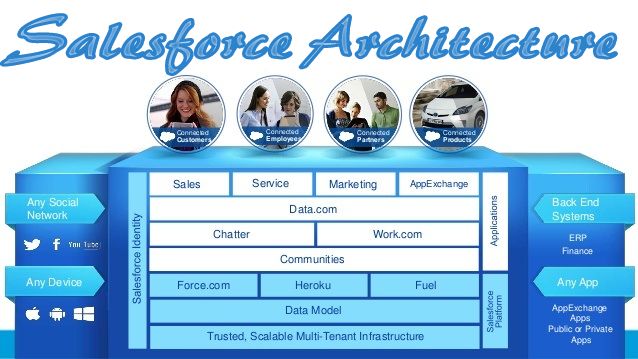
It is very essential for the development of an online company to do appropriate on-page optimisation. It creates sure that clients who are looking for the goods or services that you provide could find your website pages if they do a seek out such things. You may even see a noticable difference in your ranking on the pages of the results shown by search engines, and you'll be able to reach a larger audience of prospective clients as a consequence. In addition, optimising your website for search engines may help you in achieving greater click-through rates from the outcomes they provide.
4. Content strategy and management
A content strategy encompasses the whole process, from establishing message standards to establishing governance, and many more. It places an focus on planning and managing content to be able to accomplish corporate objectives and fulfil user requirements. The whole experience that folks get when they visit a website may also be improved with the aid of an intensive content strategy.
A robust content strategy is essential for growing organic search engine traffic and driving conversions, and it does not matter if you are using Salesforce Commerce Cloud or another e-commerce platform to perform these goals. This post will provide you with with a number of suggestions for boosting on-page SEO, optimising URLs, and utilizing canonical tagging as a way to increase the visibility of your ecommerce website browsing engines.
As well as these techniques, it is essential to check the configuration of your e-commerce website and make any necessary adjustments. You are able to do this by establishing 301 redirects for any pages that are no longer being used on your website. This will assist in preventing duplicate material and can keep up with the consistent structure of your ecommerce website.
One further piece of advice is to make a personalised 404 page. This can not merely assist guarantee that visitors are delivered to the appropriate page, nonetheless it may also help minimise the quantity of 404 errors that come in Google Search Console. Additionally, it is essential to create page names and meta descriptions which are relevant to the audience you want to attract to your website. This can help your e-commerce website rank higher in the results of se's and bring in increased traffic that originates from organic searches. Lastly, you should make sure that your product photographs are optimised.